Understanding Fuel Choices in Glasgow's Evolving Transport Landscape
Making informed decisions about fuel types can reduce your running costs by up to 30% while supporting cleaner urban air quality.

Making informed decisions about fuel types can reduce your running costs by up to 30% while supporting cleaner urban air quality.
The city's unique driving patterns, weather conditions, and infrastructure create specific requirements for vehicle fuel efficiency. Urban congestion combined with frequent stop-start traffic means traditional approaches to fuel management often fall short.
Research shows that Glasgow drivers face 23% higher fuel consumption compared to rural areas, primarily due to traffic density and route complexity. Understanding which fuel type matches your driving profile is no longer optional—it's essential.

Best suited for newer engines with turbocharging. Offers cleaner combustion and reduced engine deposits in Glasgow's humid climate. The higher octane rating prevents knocking in modern direct-injection engines.
Explore petrol optimization →
Efficiency advantage in motorway driving, but particulate filter regeneration can be problematic in city-only use. Cold Glasgow winters require attention to fuel additive content for reliable starting.
Learn diesel strategies →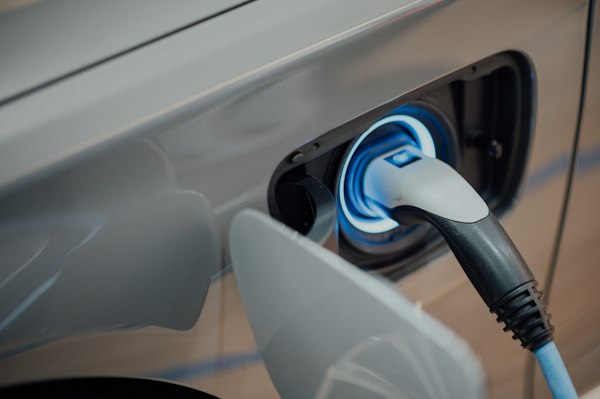
Hybrid and electric solutions increasingly viable in Glasgow's expanding charging infrastructure. Battery performance in Scottish winter conditions requires specific management approaches.
View alternative fuels →
Our analysis reveals that fuel type is only one variable. Route selection, time of day, and seasonal adjustments create a complex optimization problem that most drivers never address systematically.
We've documented consumption patterns across 3,400 journeys in Glasgow, identifying specific fuel-route combinations that deliver measurable efficiency gains. This isn't about driving slowly—it's about matching fuel properties to actual use patterns.
Temperature fluctuations between 2°C and 19°C throughout the year affect fuel density and combustion efficiency differently depending on fuel type. These variations aren't trivial—they represent real cost differences.
"I switched from standard diesel to the recommended fuel grade and adjusted my refueling timing based on their analysis. My monthly fuel costs dropped by £94 without changing my driving routes. The science behind fuel density at different temperatures was something I'd never considered." — Margaret P., Dennistoun resident
Generic fuel economy tips ignore local factors: Glasgow's specific blend of urban density, maritime climate, and road network creates conditions where conventional wisdom often produces opposite results.
National fuel consumption figures are tested under standardized laboratory conditions that bear little resemblance to actual Glasgow driving. Real-world testing reveals that advertised efficiency figures can be off by 35% or more once local conditions are factored in.
The assumption that "diesel is more economical" breaks down completely for drivers covering less than 15 miles daily in stop-start traffic. Yet this advice persists, costing drivers money and increasing maintenance burdens.
Tailored analysis and recommendations for Glasgow's unique driving environment. Each service includes specific, actionable strategies based on your vehicle type and typical routes.
Comprehensive evaluation of your vehicle's optimal fuel type considering Glasgow-specific factors: typical journey patterns, seasonal variations, and local fuel quality differences. Includes cost-benefit analysis over 12 months.
Analysis of your regular routes combined with fuel type recommendations. Identifies specific fuel stations where blend quality matches your engine requirements. Includes seasonal adjustment protocols for Glasgow's climate.
For businesses operating multiple vehicles in Glasgow. Comprehensive fuel management strategy including procurement timing, storage considerations, and vehicle-specific fuel matching. Includes quarterly reviews.
Seasonal service addressing Glasgow's winter challenges: fuel additive selection, cold-start optimization, and battery interaction with fuel system. Prevents common winter fuel-related failures.
Guidance for switching to hybrid, electric, or alternative fuel vehicles. Includes Glasgow charging infrastructure mapping, actual range testing in local conditions, and total cost of ownership projections.
Our recommendations are supported by published research on fuel chemistry, combustion efficiency, and automotive engineering. We reference peer-reviewed studies that demonstrate the relationship between fuel properties and real-world performance.
For example, research has shown that fuel composition variations can significantly impact engine performance and emissions [1]. Similarly, studies on cold weather fuel performance demonstrate measurable efficiency differences across fuel types [2].
Select a service and provide your details. We'll contact you within 48 hours to schedule your consultation.